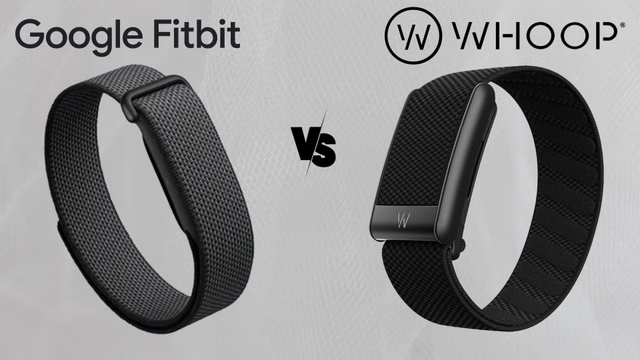
Google Fitbit Air vs Whoop: If you’ve been anywhere near fitness tech circles this year, you’ve probably heard the buzz around the new Google Fitbit Air and how it’s being compared to Whoop, the brand that basically invented the “screenless band” category. Both devices track your body around the clock, but they take very different approaches to subscriptions and who they’re really built for. Let’s break it down properly so you can decide which one deserves a spot on your wrist.
What Is the Google Fitbit Air?
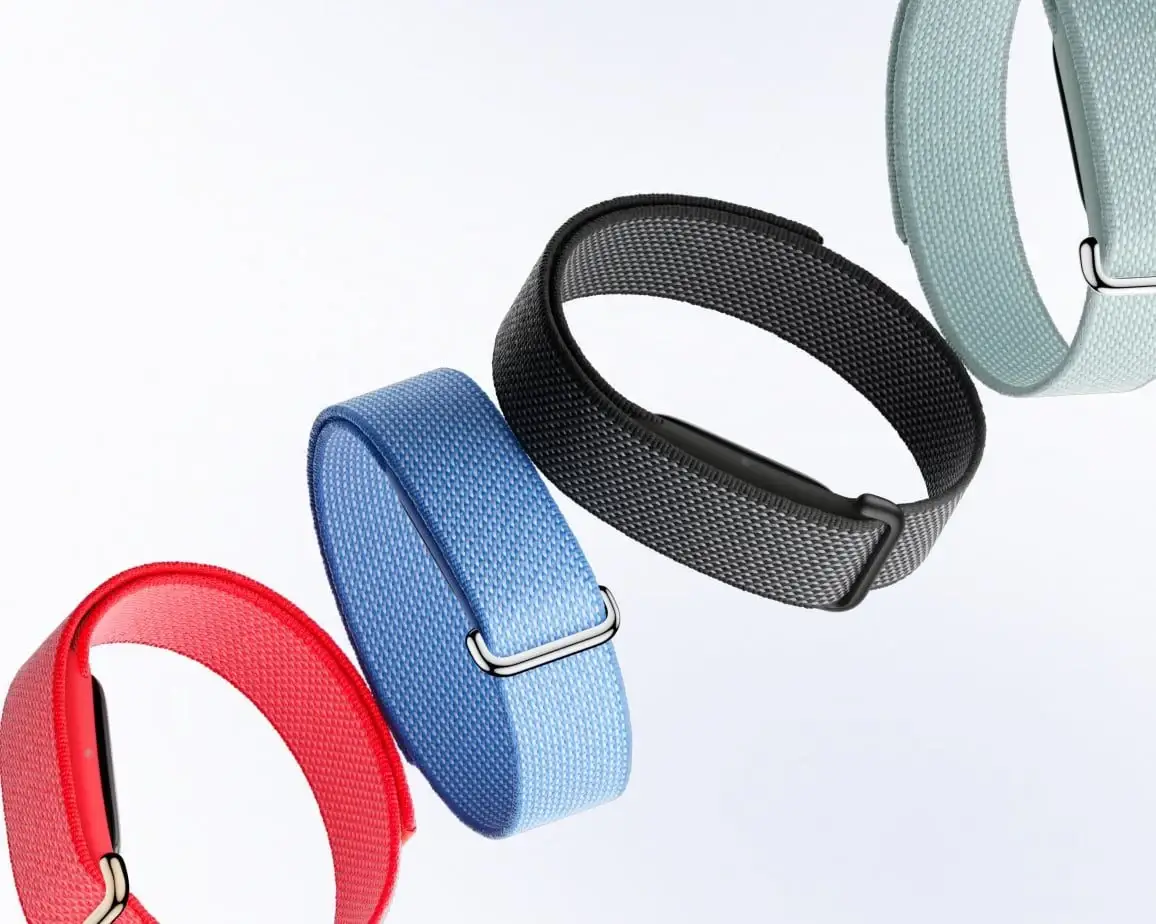
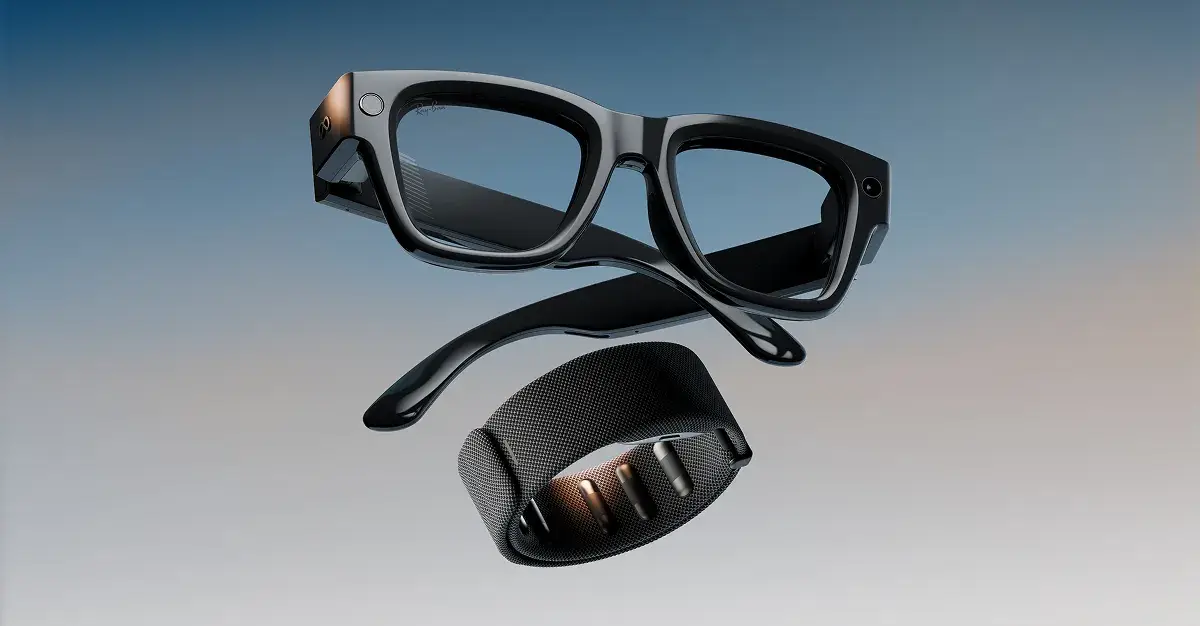
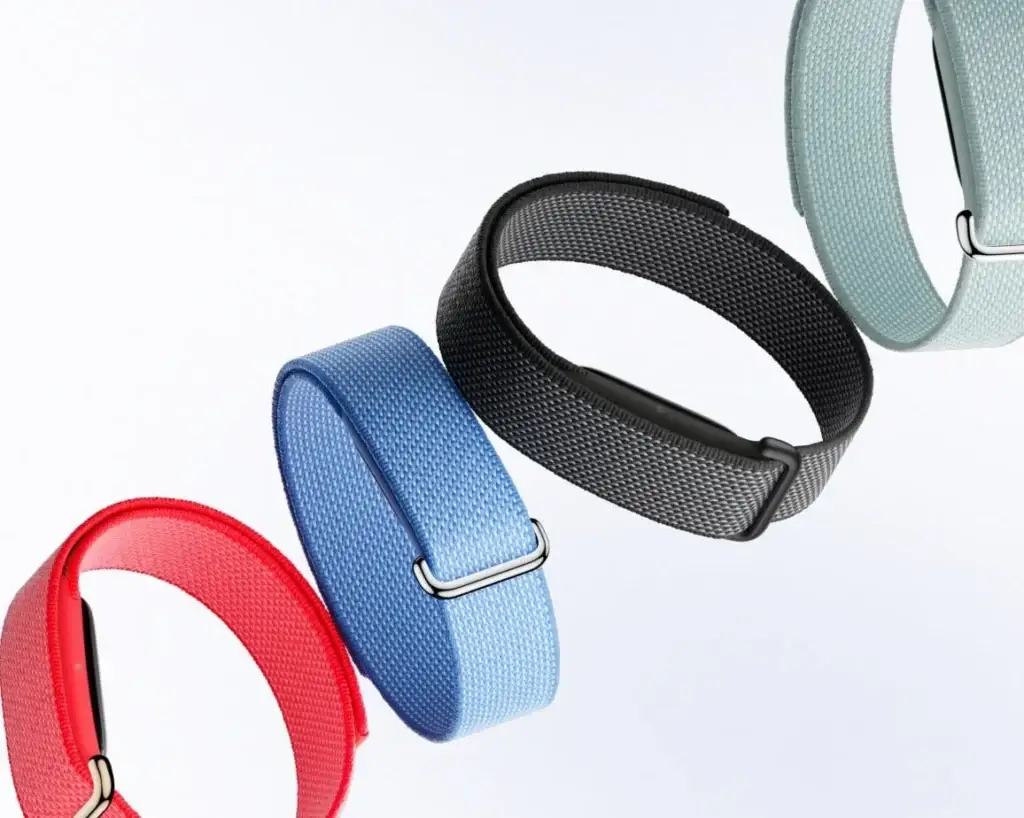
The Fitbit Air is Google’s newest entry-level tracker, and it’s a bit of a reintroduction of the Fitbit name after the brand’s software got folded into the new Google Health app. Google shelved the Fitbit software brand and rolled it into the Google Health app, launching the Fitbit Air alongside it as a screenless tracker designed for round-the-clock wear.
It’s a tiny, screen-free “pebble” that clips onto a band and quietly tracks your body in the background. It pairs with the Google Health app to deliver fitness insights, sleep tracking, and roughly a week of battery life, and it comes with a trial period of Google Health Premium included.
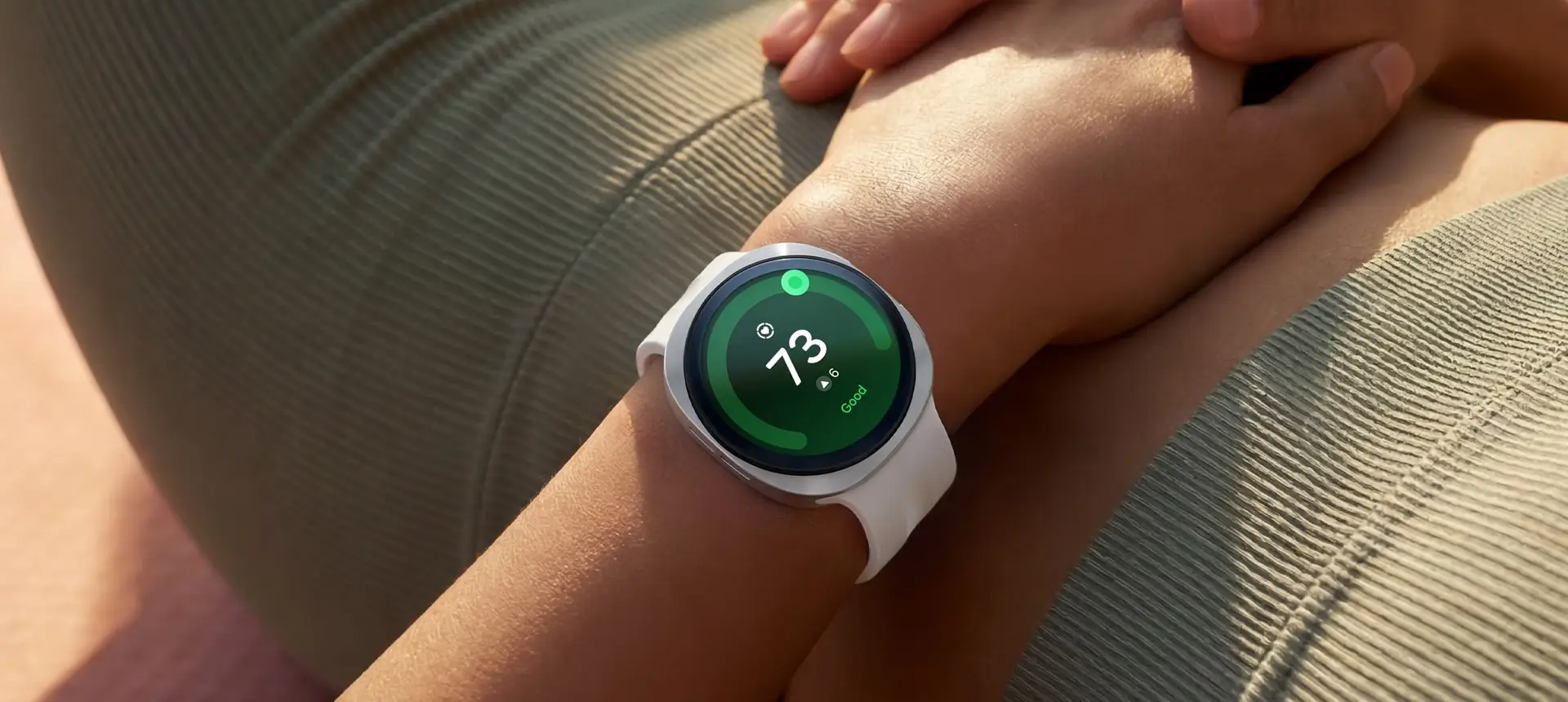
On the health-tracking side, it’s more capable than you’d expect for an entry-level device. It automatically tracks heart rate, steps, active zone minutes, distance, and calories around the clock, and also covers blood oxygen levels, heart rate variability, breathing rate, skin temperature variation, and resting heart rate. It even keeps an eye on your heart rhythm while you sleep or rest, watching for signs of atrial fibrillation.
As for design, the pod itself is made from polycarbonate and PBT plastic, with stainless steel buckles finished in matte black, polished silver, or champagne gold.
What Is Whoop?
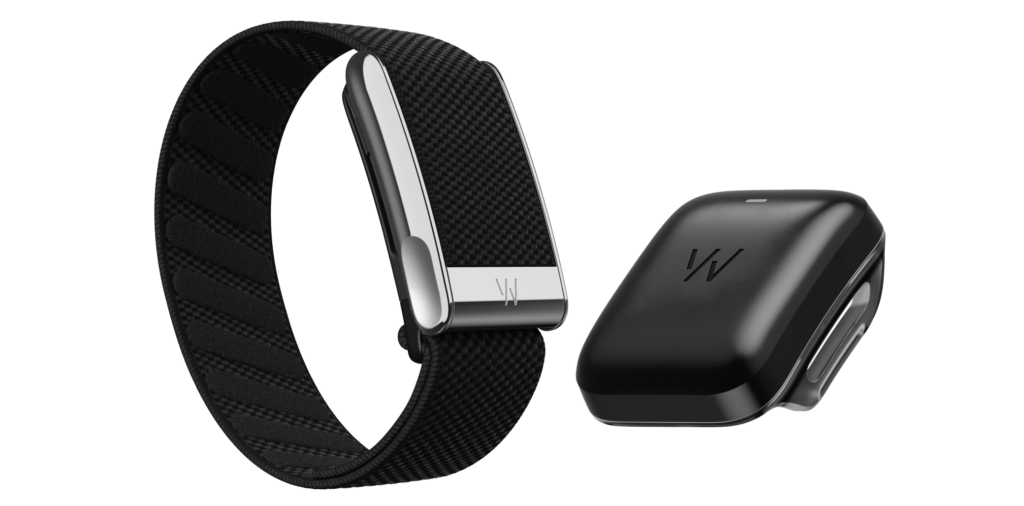
Whoop has been the reigning name in screenless fitness bands for years, and its newest lineup — the Whoop 5.0 and Whoop MG — pushed things even further on the hardware side. The Whoop 5.0 sensor is about 7% smaller and lighter than the previous generation, and it can still be worn on the wrist, upper arm, ankle, or in specialized apparel with a Whoop pocket.
Battery life is genuinely one of Whoop’s strongest selling points. Both the 5.0 and MG models are built to last more than 14 days on a single charge, and buyers can choose between a basic wired charger or a wireless PowerPack.
The Whoop MG is the more advanced of the two models and is aimed at people who want deeper medical-style insight. It includes an FDA-cleared ECG feature that can detect atrial fibrillation, along with a “Healthspan” feature that estimates your biological age and rate of aging.
The catch is that Whoop has never sold its hardware as a standalone, one-time purchase. The device itself is bundled with a membership plan, and you need an active subscription to keep using it, with different tiers unlocking different features.
Google Fitbit Air vs Whoop
| Feature | Google Fitbit Air | Whoop |
|---|---|---|
| Design | Screenless “pebble” pod, silicone/polyurethane bands, stainless steel buckle options | Screenless band, wearable on wrist, upper arm, ankle, or apparel pocket |
| Weight/Comfort | Very lightweight, built for 24/7 wear | Lightweight, also built for continuous wear |
| Battery Life | Up to about a week per charge | 14+ days per charge |
| Heart Rate Monitoring | Continuous optical heart rate tracking | Continuous optical heart rate tracking |
| Sleep Tracking | Detailed sleep stages, powered by Google’s AI models | Advanced sleep tracking with recovery insights |
| SpO2 (Blood Oxygen) | Yes | Yes |
| Heart Rate Variability (HRV) | Yes | Yes |
| AFib Detection | Yes | Yes (ECG-based on Whoop MG model) |
| Skin Temperature | Yes | Yes |
| Readiness/Recovery Score | Yes, via Cardio Load and Readiness metrics | Yes, Whoop’s well-known Recovery score |
| Strength Training Analysis | Not a strong focus | Advanced, includes strain and workout-specific coaching |
| Biomarker/Longevity Tracking | Basic health metrics | Advanced Healthspan and biological age tracking |
| App | Google Health app | Whoop app |
| AI Coaching | Optional AI Coach through Google Health Premium | Built-in coaching and insights across all tiers |
| Subscription Requirement | Optional — core tracking works without one | Mandatory — device won’t function without an active plan |
| Best For | Everyday wellness, casual users, first-time wearable buyers | Serious athletes, structured training, performance-focused users |
| Ecosystem | Works well with Pixel Watch and Android/iOS | Wide band and apparel ecosystem for multiple wear positions |
Subscription Model: The Biggest Difference
This is really where the two products split apart.
The Fitbit Air is designed as a standalone purchase. If you want the AI Coach and deeper premium insights, there’s an optional Google Health Premium subscription, but the core tracking features — heart rate, sleep, steps, SpO2, and AFib detection — work fine without ever paying a subscription.
Whoop takes the opposite approach. You’re not really buying a device; you’re buying a membership that happens to include one. The device simply won’t function without an active plan, and it locks you into a contract after the trial period ends.
If you hate subscriptions, this alone might decide things for you.
Battery Life
This is one area where Whoop has a clear, honest edge. Whoop’s battery life realistically lasts well over 10 days, with the company claiming up to 14. The Fitbit Air, by comparison, is rated for about a week per charge, which is still very good for a tracker but not in the same league.
Who Each Device Is Actually Built For
According to hands-on reviews that tested both side by side, the difference in intended audience is pretty clear. Whoop keeps the advantage in battery life, its band ecosystem, strength-training analysis, biomarker correlation, and on-demand ECG, while the Fitbit Air is the better fit for casual wellness users. The same review put it simply — the Fitbit Air suits screenless tracking without a mandatory subscription, while Whoop suits people who train seriously, want strength-training analysis, or follow detailed biomarker panels.
Even outlets that praised the Fitbit Air’s value were upfront that it’s aimed at a different crowd than Whoop’s core athlete base. The Fitbit Air was described as unobtrusive with strong battery life for the category, designed to avoid constantly pinging you with notifications, in contrast to devices built around serious training analytics.
So, Which One Should You Buy?
Here’s the honest, practical answer:
Buy the Google Fitbit Air if:
- You want reliable everyday health tracking (steps, sleep, heart rate, SpO2, AFib alerts) without ongoing subscription pressure
- You’re new to wearables and don’t want to commit to a recurring plan
- You already use a Pixel Watch and want a lightweight companion for sleep tracking
- You want strong core tracking without needing every advanced feature
Buy Whoop if:
- You’re a serious athlete who wants deep recovery, strain, and strength-training analytics
- You want the longest battery life on the market
- You’re comfortable paying an ongoing subscription for more advanced medical-style features like ECG and biomarker tracking
- You want a proven ecosystem with years of refinement behind it
For the average person just trying to understand their sleep, activity, and general health, the Fitbit Air genuinely delivers strong everyday value without ongoing commitments attached. For competitive athletes chasing marginal performance gains, Whoop still holds the edge, but you’re committing to a subscription to keep using it.
If your goal is simply “get healthier, sleep better, and understand my body,” the Fitbit Air is the smarter buy for most people. If you’re deep into structured training and want lab-level recovery data, Whoop remains worth the investment.
Where to Buy Genuine Fitbit and Whoop Products
Once you’ve decided which device suits you, the next big concern is making sure you’re buying an authentic, original product — fake and refurbished units are unfortunately common in the wearable tech market.
If you’d rather see and try the product in person before buying, you can visit Aw Traders. They specialize in mobile accessories and wearables, and they guarantee 100% original products, so you don’t have to worry about counterfeit units or shady sellers.
If you prefer shopping online, both Aw Traders and Aw Tech Store have their own websites where you can order genuine Google and Whoop products, along with many other trusted brands, delivered straight to your door. Since both stores deal strictly in 100% original items, you can buy with confidence knowing you’re getting the real deal, backed by proper warranty and support.
Whichever tracker you choose, buying from a trusted seller matters just as much as the device itself.